
What Does Australia's Rough Snow Season Mean For Japan?
For decades, Australians always had the guarantee of snow. Some years it would be epic coverage, other years, it would be average, but at a minimum there was always snow to rip around on.
Now, the annual snow forecast is seemingly turning into ‘The Hunger Games’, adopting a ‘may the odds be ever in your favour’ style approach that is leaving holidaygoers with not much more than grass hills to hike, and bars and restaurants to enjoy.
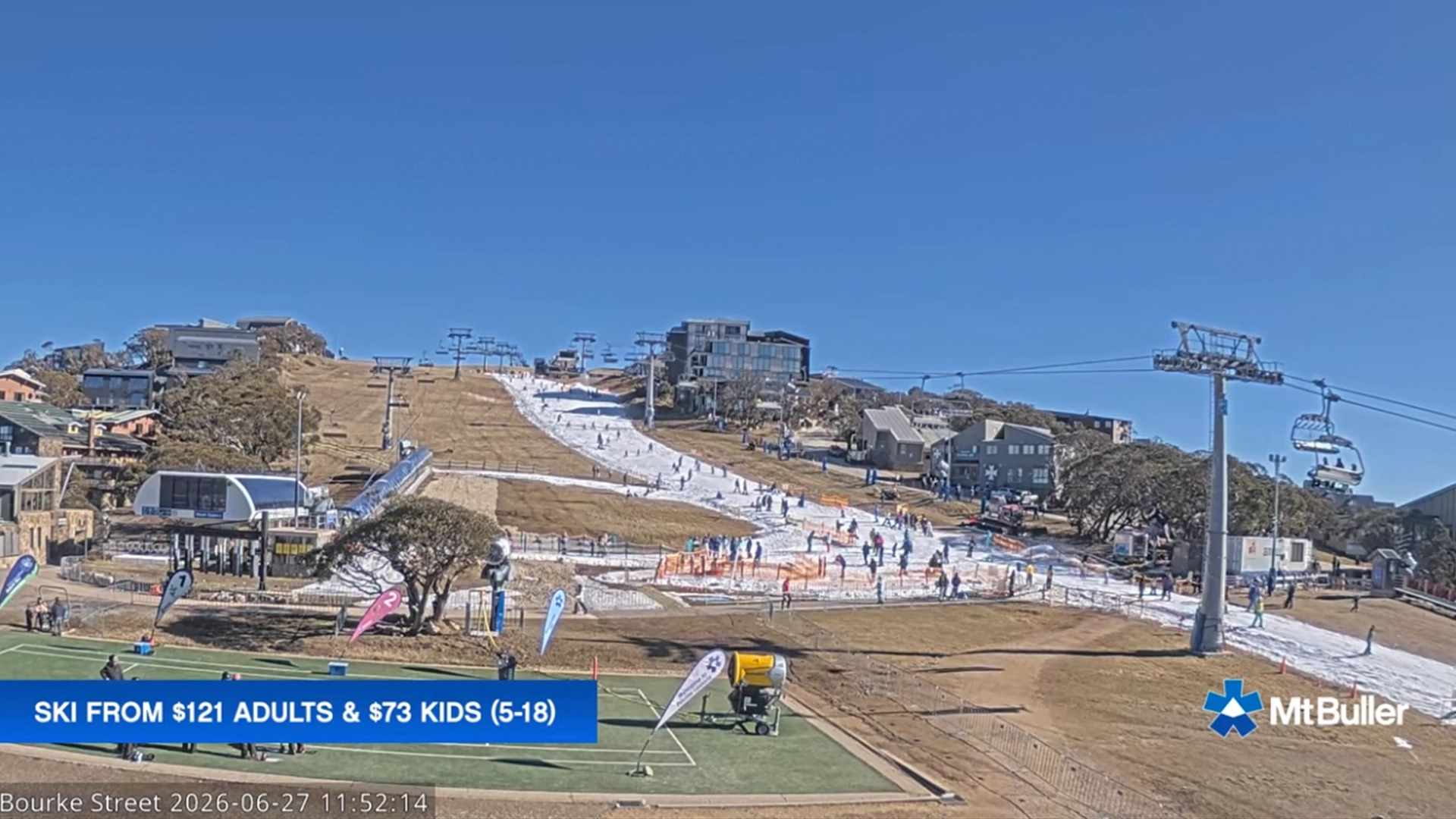
Image: Mt Buller Snow Cam
So let’s break it down, why is Australia having such a rocky start to the 2026 winter season and what does it mean for Japan?
Ok, so what’s going on with Aus?
Let’s be honest, it’s not looking good.
A quick suss of the Bureau of Meteorology’s website shows warmer conditions are favoured, which increases the chance of below-average snow coverage due to fewer cold windows and faster melt periods.
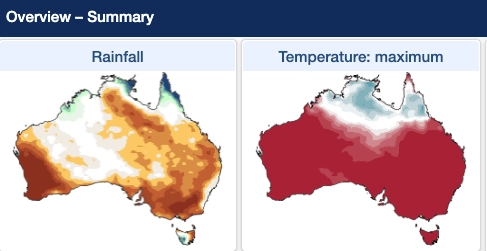-copy.webp "Screenshot-2026-06-27-at-11-05-01-(2)-copy.webp")
But that’s nothing new. For years now, there’s been predictions coming from both credible scientists and ski-bums on chairlifts, stating that Australia’s mountain regions will continue to see climbing temperatures, and we are starting to see it eventuate.
Upon opening weekend, the majority of Australian resorts were rocking next to no snow coverage, with the warmer temperatures and higher humidity even making it hard for artificial snow making machines to work their wonders.
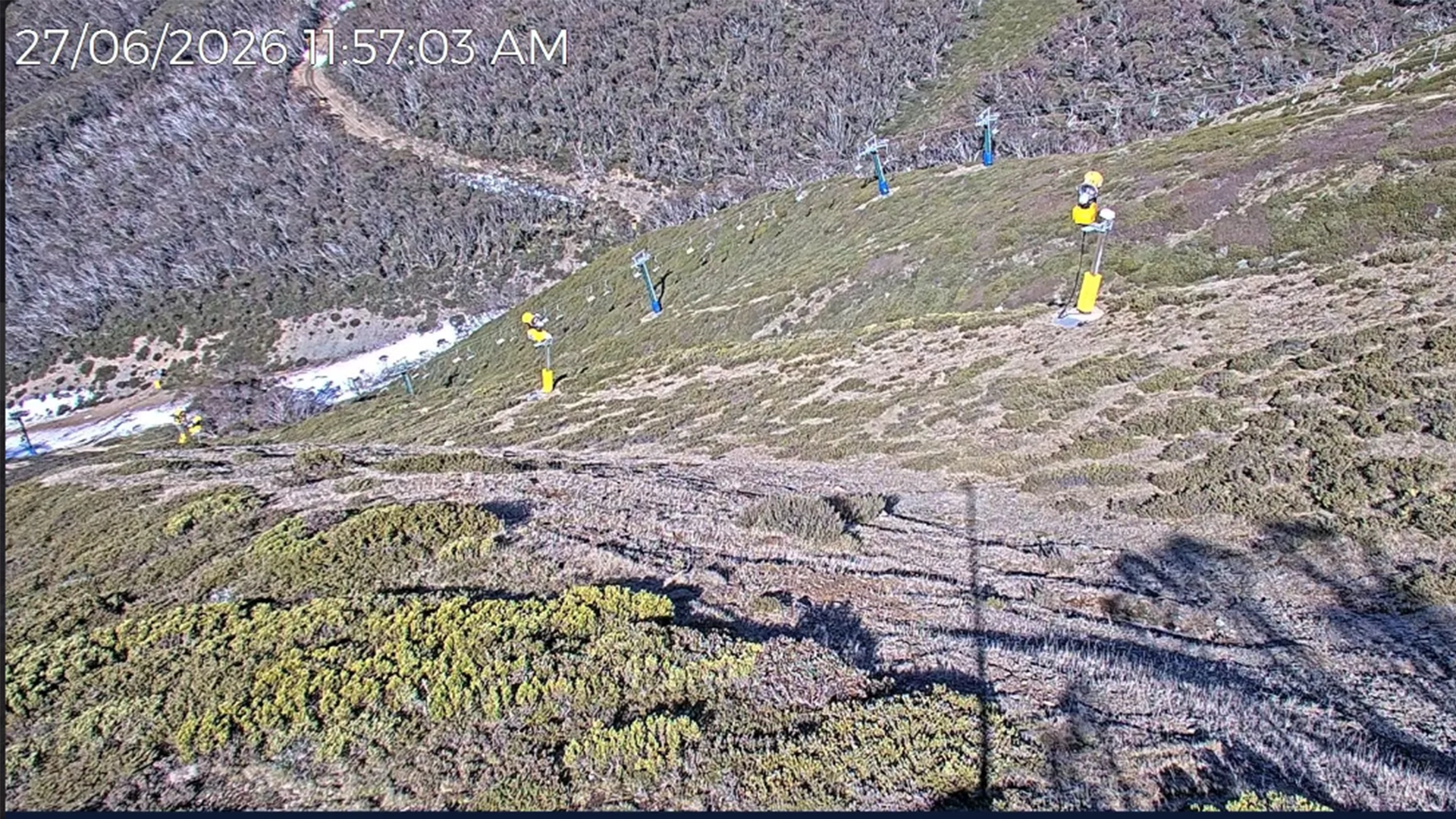 Image: Mt Hotham Snow Cam (27/06/2026)
But what’s actually causing it?
El Niño.
What is El Niño?
In short, warmer and drier weather patterns.
El Niño is a pattern of climate behaviour that results in warmer sea surface temperatures in the central and eastern Pacific Ocean, and its effects are widespread. For areas like America, it can lead to wetter weather, while in warmer spots like Australia, it usually means the opposite – less rain, higher potential of droughts and significantly less chance of snowfall. Essentially reducing the chances of the two ingredients Aussie snow needs: cold air and moisture arriving at the same time.
If you’re getting confused between El Niño and its cousin, La Niña, an easy generalisation to help remember would be: El Niño, bad snow. La Niña, good snow.
Sure, it might not be a description that would work for the BOM, but for a bunch of ski-bums, you get the gist. El Niño generally stacks the odds against Australian snow by favouring warmer and drier conditions, while La Niña tends to improve the odds, although neither guarantees a good or bad season; they simply shift the odds.
So, what does El Nino mean for Japan’s Winter Season?
Quick answer: much less than it does for Australia.
In short, El Niño winters in Japan can lean warmer than average, meaning the start and end of the season can fluctuate and snowfall can slightly vary depending on the region.
Does that mean that we won’t receive snow? No. There’s a reason Japow exists and Aupow does not, both locations receive their snow from completely different weather systems.

Japan famously receives its mega light pow from freezing cold Siberian air flows which travel across the Sea of Japan. Australia’s snow, on the other hand, comes from passing cold fronts and low-pressure systems driven by Southern Ocean weather patterns.
Meaning that for Japan to continue to dump snow as it always has, all we need is Siberian cold outbreaks, moisture picked up from the Sea of Japan and the right winter pressure patterns, whereas Australia is directly impacted by southern hemisphere winter patterns.
Does that mean that we don’t get touched by El Nino at all? No, but all you have to do is look into previous years such as the 2015-16 winter season to see that regardless of El Nino being in swing, Japow was warmer, but still solid snowfall when the right systems lined up.
So what’s the forecast saying for Japan 2026-27?

It’s a little bit too early to tell, with the most reliable readings popping up around Autumn.
Can it lead to slightly higher temps in Japan? Yes. Does that mean we are in for the season Aus is currently copping? No.
As it currently stands, Hokkaido (Niseko and Furano) will likely see the most stable conditions, mainly due to the northern latitude and close proximity to Siberia. According to longrange forecasting, snowfall may fluctuate slightly towards the early season, although, more so in the sense that snow may be slightly heavier, not that it won’t be snowing.
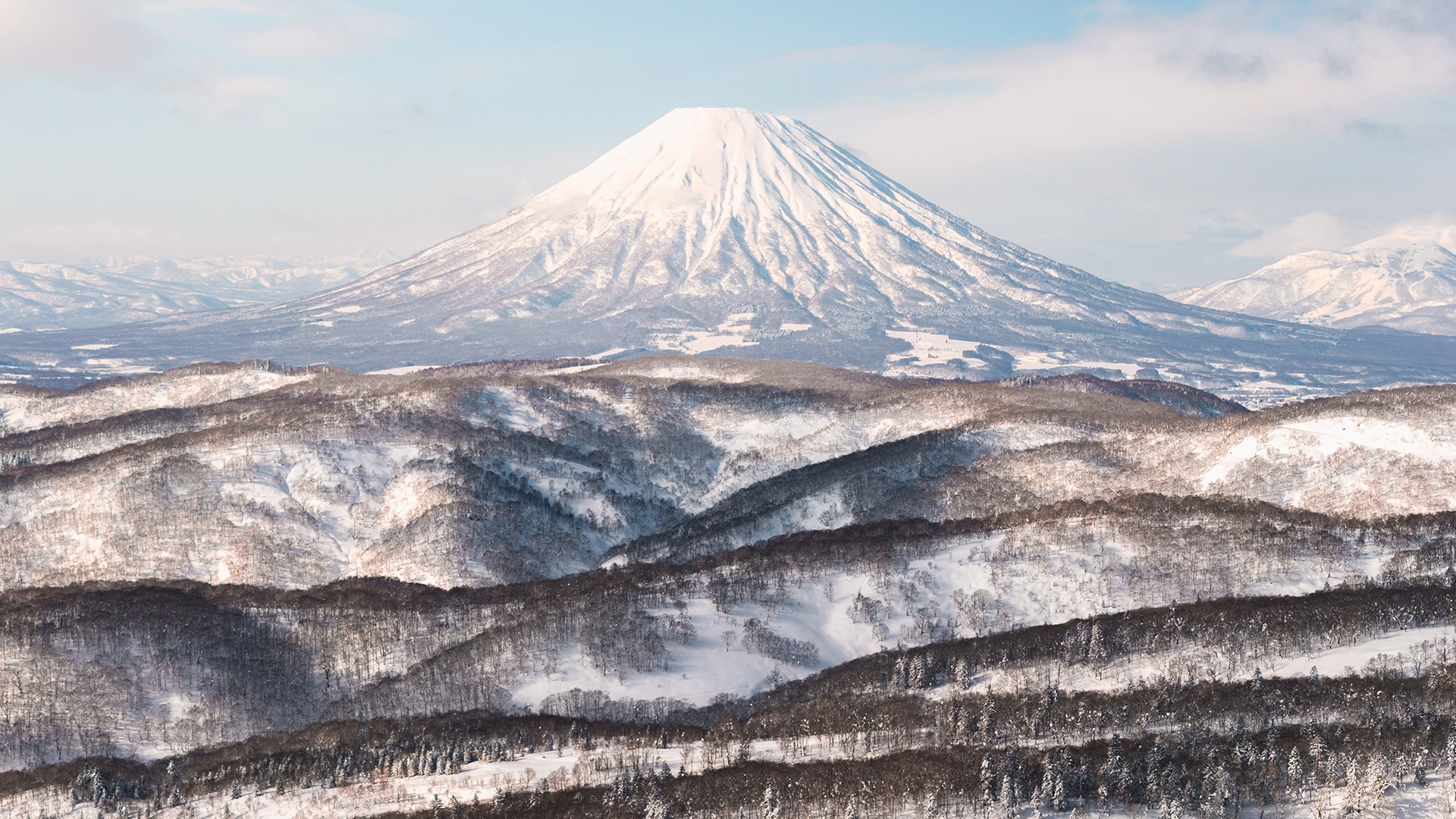
Honshu resorts such as Hakuba are naturally more variable, with bigger swings between legendary powder cycles and warmer rain-affected periods.
So, should I book?
Yes. It’s Japan.
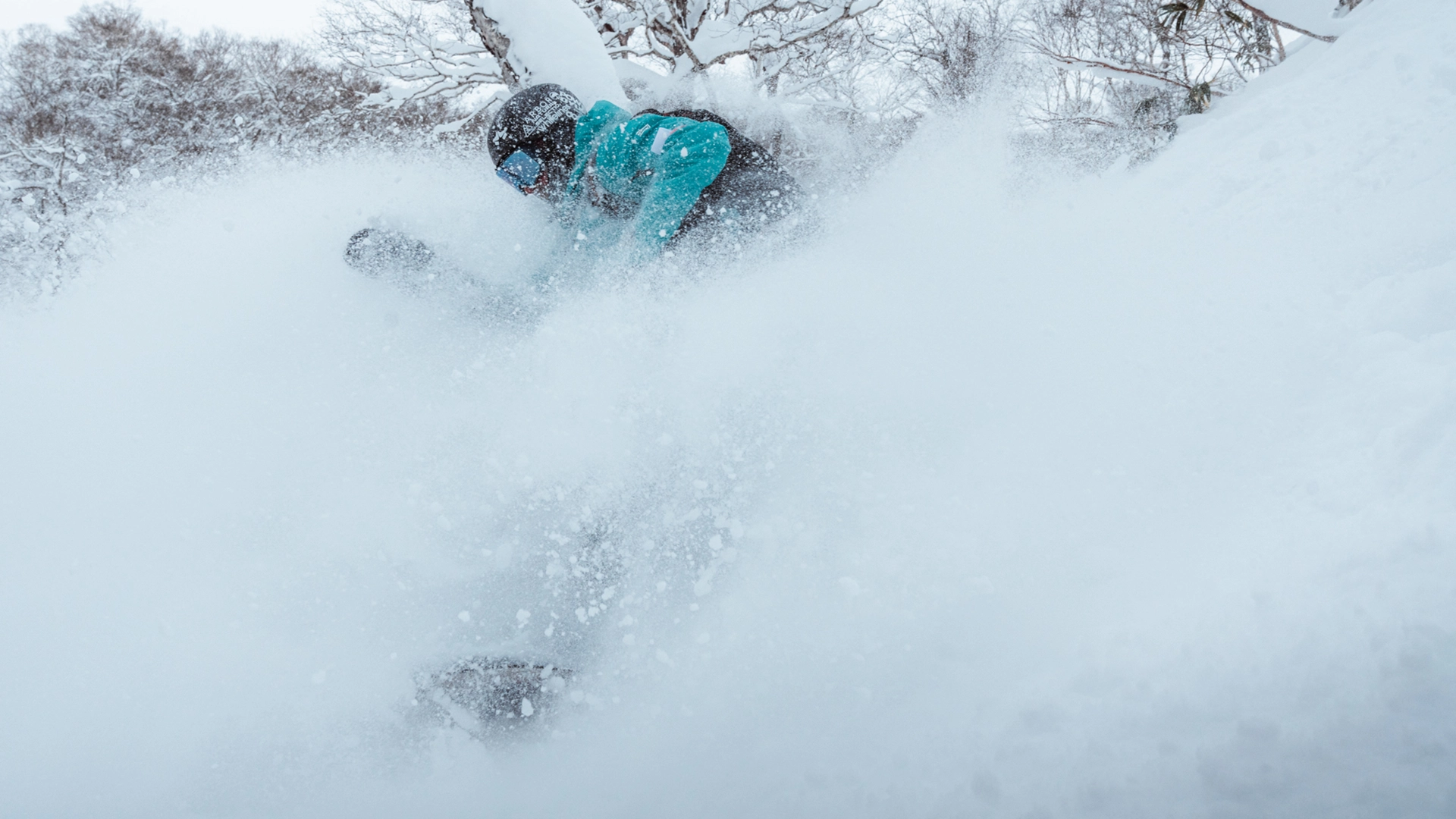
As one of the most unique snow climates on earth, Japan can go from “we’re having an average season” to “I can’t come into work today because my driveway is snowed in” within the span of an overnight dump.
And while El Niño and warmer patterns can influence the odds, they don’t erase the reason Japow exists. As long as Siberian cold air continues colliding with moisture from the Sea of Japan, the ingredients for those legendary powder days are still there.
Even if temperatures do end up running slightly warmer than average, that doesn’t mean a bad season. If anything, it only increases the chances of bluebird days – which really, we’re all about.
We are currently offering 20% off rentals and lesson and guiding bookings as part of our epic early bird sales (finishes end of July, 2026)